


Why Bears Are Not Extinct


I picked up the book, Why Animals Don’t Get Heart Attacks..But People do! by Matthias Rath, M.D a few years ago. The title caught my eye in the book store. Rath explains in his book that animals can produce their own vitamin C which protects their blood vessels. Rath believes cardiovascular disease is an early form of scurvy. Clinical studies show that optimum daily intake of vitamins and minerals can reverse coronary heart disease.
Cholesterol
Bears and other hibernating animals have an average cholesterol levels of 400 mg per deciliter. If cholesterol causes heart attacks and strokes, the bear and other hibernating animals would be extinct long time ago as a result of heart attacks. The bears produce large amounts of vitamin C which stabilize their artery walls so they are unaffected by cholesterol.
Bears and other hibernating animals have an average cholesterol levels of 400 mg per deciliter. If cholesterol causes heart attacks and strokes, the bear and other hibernating animals would be extinct long time ago as a result of heart attacks. The bears produce large amounts of vitamin C which stabilize their artery walls so they are unaffected by cholesterol.
According to Matthias Rath, the bears are not extinct because:
- Elevated cholesterol blood levels are not the primary cause of heart attacks, strokes, or atherosclerosis.
- It is more important to achieve and maintain stability of the artery walls through optimum vitamin supply than lowering cholesterol and other risk factors in the blood stream.
- Cholesterol and other repair factors in the blood stream can only become risk factors if the artery walls are weakened by chronic vitamin deficiency.
The Paleo Diet is high in vitamins and other nutrients recommended in Dr.Rath Cellular Health Progam outlined in his book.
A large study about the importance of vitamins in the prevention of cardiovascular disease was performed in Europe. Cardiovascular diseases are more frequent in Northern European countries and Scandinavia, compared to Mediterranean countries. The vitamin intake is low in Northern Europe. The diet in the Mediterranean countries is rich in vitamins.
Professor K.F Gey, from the University of Berne in Switzerland compared the blood levels of vitamin C and beta-carotene as well as cholesterol to the rate of cardiovascular disease in these countries. He found that:
- The people in northern European countries did not only have the lowest blood levels of vitamins but also the highest rate of cardiovascular disease.
- The people in southern Europe had the highest blood level of vitamins as well as the lowest rate of cardiovascular disease.
- A high intake of vitamin C, E, A had a greater impact on decreasing the risk for cardiovascular disease than lowering the cholesterol.
The regular diet in southern Europe is high in bioflavonoids and provides an optimum amount of vitamins daily.
Source: Why Animals Don’t Get Heart Attacks…But People Do! by Matthias RathPhoto Credit
------------------------------------------------------------------------------------------------------------

Follow Johanna on twitter and facebook for more health tips and information.
11:05 PM |
Read more...
Living Well Blog Hop # 32

Welcome to the Living Well blog hop! We’d like to invite you to share a blog post about what you do to Live Well. It could be a healthy recipe, exercise tips, ideas for relaxing, getting organized, lifestyle improvements – anything that you feel makes your life better.
Your Living Well hosts for the week are:
Laurie @ Common Sense Homesteading
Jo @ Jo’s Health Corner
Tina @ Being Made New
Lea @ Nourishing Treasures
Featured Posts from Last Week’s Hop
My favorite posts from last week's link-up are featured below. If you're featured, feel free to grab the button below.

Jill from Real Food Forager shared the post, Recipe: Cacao Date Energy Bar (SCD/GAPS). These yummy energy bars are GAPS legal so these are great if you are grain free. I definitely have to make these.
.jpeg)
Charise from I thought I knew It Mama shared the post, 5 Natural & Safe Sugar Alternatives for Baking. Stop by and check out some natural and safe sugar alternatives.


The Humble Homemakers shares the post, Adopting a Corn-Free Diet. It can be tricky to avoid corn since so many things has corn in it.

Image by waytru
Living Well Blog Hop guidelines:
- Please provide a link back to one of the Living Well host blogs in your post. Grab one of the buttons below if you like.
- Please link to a specific post in your blog, not your blog’s home page.
- If you link a recipe, please use real foods and avoid highly processed ingredients. Recipes low in refined sugar/refined carbohydrates are preferred.
- The hosts of the blog hop reserve the right to remove any posts that we deem inappropriate.
- Please leave a comment below to tell us a little more about your link. You can also add the link to your post.
- Please share this post on twitter, facebook or other social network.
Thanks for joining us in Living Well.

8:18 PM |
Read more...
Living Well Blog Hop # 31
Welcome to the Living Well blog hop! We’d like to invite you to share a blog post about what you do to Live Well. It could be a healthy recipe, exercise tips, ideas for relaxing, getting organized, lifestyle improvements – anything that you feel makes your life better.
Your Living Well hosts for the week are:
Laurie @ Common Sense Homesteading
Jo @ Jo’s Health Corner
Tina @ Being Made New
Lea @ Nourishing Treasures
Featured Posts from Last Week’s Hop
My favorite posts from last week's link-up are featured below. If you're featured, feel free to grab the button below.
My Healthy Green Family shared the post, Plastic, Plastic Everywhere and None Of It Is Safe?, where she discusses the new information that came out about BPA free plastic may not be as safe as originally thought. It is best to stick to glass and stainless steel.

Heather from Heather's Blog-o-Rama shared the post, Dandelion Root Coffee. It's a great post with detailed information about how to make roasted dandelion root coffee.
 |
| Photo Credit |
Joy from Liberated Kitchen shares the post, Empowering Kids Part 3: Make it Easy. She shares some wonderful tips on how to empower children on special diets. This is a must read post if your child is on a special diet.
 |
| Photo Credit |
Living Well Blog Hop guidelines:
- Please provide a link back to one of the Living Well host blogs in your post. Grab one of the buttons below if you like.
- Please link to a specific post in your blog, not your blog’s home page.
- If you link a recipe, please use real foods and avoid highly processed ingredients. Recipes low in refined sugar/refined carbohydrates are preferred.
- The hosts of the blog hop reserve the right to remove any posts that we deem inappropriate.
- Please leave a comment below to tell us a little more about your link. You can also add the link to your post.
- Please share this post on twitter, facebook or other social network.
Thanks for joining us in Living Well.
10:47 PM |
Read more...
9 Tips On Healthy Eating And Exercising


As we know, a proper nutritious diet is the key to staying healthy, but stress and mood also influence our immune system. Positive thinking, laughter, and love will enhance the immune function while negativity will depress it. In addition to keeping a positive mind and finding joy and pleasure in every day life, some other lifestyle changes are vital for good health.
Here are some tips:
1. Diet
Some of the best things you can do are to remove white sugar and high fructose corn syrup from the diet. Focus on eating more natural and organic food. Add plenty of locally grown fruit and vegetables. Eat high quality protein that is not overcooked.
Extra vitamins and minerals along with a wholesome diet are needed to build healthy cells. For example, lack of Vitamin C, A, B12 and zinc can weaken the immune system and lead to more frequent colds.

2. Exercise
The benefits of exercise have been known for a long time. It helps regulate hormones, increase metabolism, increase bone mass, lower cholesterol levels, and increase the immune system. Even the most moderate of exercise programs can achieve this.

3. Reduce the Amount of Toxins
We are constantly exposed to toxins through cleaning products, food, and pollution. The different toxins create free radicals in the body which can lead to diseases like diabetes, heart problems, allergies, nerve damage, mental disorders, and cancer to name a few.
Therefore it is important to feed the body with antioxidants that can neutralize the free radicals. Blueberries, lentils, pinto and black beans, oranges, pumpkin, and spinach are high in antioxidants.
Make sure you eat a variety of fruit and vegetables.
4. Avoid refined carbohydrates
High glycemic index carbohydrates such as refined sugar, flour, and white rice are anti-nutrients. They rob the cells of nutrients, making it difficult for the body to absorb nutrients. They stress organs and processes by spiking the blood sugar. Constant blood spikes will lead to inflammation.

5. Make Sure You Get enough Probiotics
Probiotics mean pro-life and they restore the balance in the intestines. We need good bacteria to maintain good health. The good bacteria helps break down food to keep the intestines healthy.
Acidophilus and bifidophilus assist in fighting inflammation by killing dangerous microorganism. Acidophilus makes the lactos needed to digest milk, and it is also involved in producing several B vitamins. Fermented vegetables, soured milk, kombucha, and kefir are some ways you can get Probiotics.
6. Eat More Alkaline Food
Normal pH is 6.0-7.0 but most of us are acidic. The acidity provokes inflammation, and high acidity prevents the absorption of many vitamins and minerals. It means that the body is constantly deficient even with supplements. Eat more alkalized food such as green vegetables, fruits and lemons. These foods may assist in restoring the pH balance.
The benefits of exercise have been known for a long time. It helps regulate hormones, increase metabolism, increase bone mass, lower cholesterol levels, and increase the immune system. Even the most moderate of exercise programs can achieve this.

3. Reduce the Amount of Toxins
We are constantly exposed to toxins through cleaning products, food, and pollution. The different toxins create free radicals in the body which can lead to diseases like diabetes, heart problems, allergies, nerve damage, mental disorders, and cancer to name a few.
Therefore it is important to feed the body with antioxidants that can neutralize the free radicals. Blueberries, lentils, pinto and black beans, oranges, pumpkin, and spinach are high in antioxidants.
Make sure you eat a variety of fruit and vegetables.
4. Avoid refined carbohydrates
High glycemic index carbohydrates such as refined sugar, flour, and white rice are anti-nutrients. They rob the cells of nutrients, making it difficult for the body to absorb nutrients. They stress organs and processes by spiking the blood sugar. Constant blood spikes will lead to inflammation.

5. Make Sure You Get enough Probiotics
Probiotics mean pro-life and they restore the balance in the intestines. We need good bacteria to maintain good health. The good bacteria helps break down food to keep the intestines healthy.
Acidophilus and bifidophilus assist in fighting inflammation by killing dangerous microorganism. Acidophilus makes the lactos needed to digest milk, and it is also involved in producing several B vitamins. Fermented vegetables, soured milk, kombucha, and kefir are some ways you can get Probiotics.
6. Eat More Alkaline Food
Normal pH is 6.0-7.0 but most of us are acidic. The acidity provokes inflammation, and high acidity prevents the absorption of many vitamins and minerals. It means that the body is constantly deficient even with supplements. Eat more alkalized food such as green vegetables, fruits and lemons. These foods may assist in restoring the pH balance.

7. Keep the internal environment healthy
It is important to keep the internal environment clean so you don’t get sick. Doing a cleanse twice a year is recommended since toxins weaken the body. Plenty of fresh fruit and vegetables, freshly squeezed juices, and reducing the amount of chemicals in food, are great ways to assist the body in keeping the internal environment healthy.
8. Don't Forget the Omega Oils
The
EFA’s assist in regulating important bodily functions such as nerve
transfers, allergy and inflammatory reactions. The essential fatty acids
are lacking in most western diets, and the deficiency can play an
important role in diseases such as eczema, ADD, and inflammatory
symptoms.
Essential fatty acids are known for improving nerve health and they are also natural anti-inflammatory agents. Flax seed oil is rich in alpha linolenic acid and is often easier to convince children to eat. It contains omega -6 and omega-9.
Don't forget that seeds and nuts are good sources of omega oils. Remember that it is best to buy them whole.

9. WaterEssential fatty acids are known for improving nerve health and they are also natural anti-inflammatory agents. Flax seed oil is rich in alpha linolenic acid and is often easier to convince children to eat. It contains omega -6 and omega-9.
Don't forget that seeds and nuts are good sources of omega oils. Remember that it is best to buy them whole.

Pure, clean water is needed daily. Water transports nutrients and oxygen into the cell. It also aids in detoxifying the body as well as aiding the metabolism. The benefits of drinking water are endless. I highly recommend the book, You Are Not Sick, You're Thirsty by Dr F. Batmanghelidj MD.

Start slowly and don't change everything at once. Too many changes too quickly are hard to stick to.
This post is linked to:
|
Johanna is an aromatherapist and an independent distributor of Young Living Essential Oils and Nature's Sunshine. She is passionate about educating people about health, essential oils, real food, natural remedies, and nutrition so they make healthier choices in their lives. She also runs Naturally Sports & Wellness together with her husband.
Follow Johanna on twitter and facebook for more health tips and information.
This linked to:
Simple Lives Thursday
10:58 AM |
Read more...
Is it Possible to Be Healthy On A Budget?

Is it
possible to be healthy on a budget? I believe it is. The key is simplicity. I learned
early on that in order to be able to afford to buy the good quality
health food I had to keep it simple.
I don't mind buying things such as clothes, toys, furniture or used books used, but I don't want to compromise my health. A couple of years ago I had to find ways to stay healthy on a lot smaller budget than before. I found it tricky at first, but it was possible.
It is not always what you eat, but what you don't eat. You stay healthier by avoiding processed foods, refined grains and sugar, since they rob the body of important nutrients needed to stay healthy.
I don't mind buying things such as clothes, toys, furniture or used books used, but I don't want to compromise my health. A couple of years ago I had to find ways to stay healthy on a lot smaller budget than before. I found it tricky at first, but it was possible.
It is not always what you eat, but what you don't eat. You stay healthier by avoiding processed foods, refined grains and sugar, since they rob the body of important nutrients needed to stay healthy.
Here are some of the things you can do:
Environmental Toxins
Toxins cause free radical damage in the body which eventually leads to disease. Removing toxins should be a priority. By reducing the toxins we minimize our chances of becoming sick. This is especially important if there are no funds for antioxidant supplementation or high antioxidant organic produce. Unfortunately, organic cleaning products are very expensive. Cleaning naturally with vinegar, baking soda, salt, lemons, and essential oils is not only safer but cheaper. You can use the same essential bottle for cleaning and soap making. I use vinegar and essential oils for my garden too.
You can make your own skin care products with only a few ingredients that are safer and more cost effective. Try to minimizing packaged products since a lot of food packaging contains harmful chemicals such as BPA that mess with our hormones. Fluoride is another toxin that should be avoided, fortunately it is not too hard to make your own tooth paste.
Simplicity is the key
As I mentioned earlier, simplicity is the key so keep the meals simple with a few ingredients. I always have meat, veggies, spices, herbs, and good fat at home. I can make many meals out of those ingredients. Stir fried chicken for lunch with sauteed kale, garlic, and onions are delicious and quick to make. I also like to saute cabbage, onions, carrots and ground beef for a quick and inexpensive one bowl meal. You can easily add rice if you like.
Buy in bulk if you can
Buying meat in bulk normally saves money, Eat Wild has links to local farms selling natural and grass-fed meat. I do realize that it is not possible for everyone to buy grass fed meat, but Jenny over at Nourished Kitchen found that meat and some produce were cheaper to buy from the local farmer than from the grocery store. Some meat markets also offer special meat packages for a reasonable price. Take a look at Yahoo groups to see if there's a local food co-op in your area. I found a local natural food group that orders meat, fruit, veggies and dairy from local farmers. As a group we get a better price. Farmers markets are also a great place to find food; be aware that some sellers import their products, so ask where it came from.
Spices are good
Keep in mind that many spices such as turmeric, oregano, thyme, cayenne, cinnamon, sage, and basil are very nutritious. Invest in good quality dry herbs and spices, or grow your own in the kitchen window for some extra healing. Garlic and onions are inexpensive with powerful healing properties. I use garlic and onions daily in addition to a lot of healing spices and herbs. I avoid regular store bought spices that don't offer any nutritional value.
Bone broth is great
Bone broth is high in minerals and inexpensive to make. It can can be eaten as is or used to make soups, stews or rice. Any meat or vegetable scraps from the kitchen can be added to make the broth. You want to make sure that you buy bones from grass-fed animals since bones tend to be high in heavy metals. Most people are actually more deficient in minerals than in vitamins so a broth is an inexpensive way to get minerals and other healing nutrients. Our soil is depleted, and the food is low in minerals, so we need to be creative in adding more minerals to our diet.
Bone broth is high in minerals and inexpensive to make. It can can be eaten as is or used to make soups, stews or rice. Any meat or vegetable scraps from the kitchen can be added to make the broth. You want to make sure that you buy bones from grass-fed animals since bones tend to be high in heavy metals. Most people are actually more deficient in minerals than in vitamins so a broth is an inexpensive way to get minerals and other healing nutrients. Our soil is depleted, and the food is low in minerals, so we need to be creative in adding more minerals to our diet.
Don't buy into the organic fad
Just because it says it is organic on a package doesn't mean it is good for you. Many of the organic products are just as full of sugar as the non-organic versions, the difference is that they are stricter on chemicals and cost more. The organic labeling has turned into big business and it seems like there's an organic version of almost all of the conventional products. Again, keep it simple and remember that organic or not, sugar still weakens the immune system. Wheat has been found to be the main culprit behind leaky gut, and it doesn't just affect the autoimmune patients, but it also affect healthy people. Try to increase more grain-free and sugar free snack options.
Just because it says it is organic on a package doesn't mean it is good for you. Many of the organic products are just as full of sugar as the non-organic versions, the difference is that they are stricter on chemicals and cost more. The organic labeling has turned into big business and it seems like there's an organic version of almost all of the conventional products. Again, keep it simple and remember that organic or not, sugar still weakens the immune system. Wheat has been found to be the main culprit behind leaky gut, and it doesn't just affect the autoimmune patients, but it also affect healthy people. Try to increase more grain-free and sugar free snack options.
Grown your own produce
I highly recommend that you grow your own fruit and vegetables if you have somewhere to grow them. Not only is it cheaper, but homegrown produce contain more nutrients than the store bought versions . This is also a way to make sure your produce is not genetically modified or contain harmful chemicals.
Supplements
When on a tight budget it is not that easy to come up with money for supplements. Unfortunately it is not easy to come up with money for high quality food high in nutrients either, and deficiencies lead to disease. I found that super foods such as spirulina and alfalfa are not only high in nutrients but also cost effective.
Vitamin C, D, and selenium are considered hard to obtain from the diet alone, but if you are on a budget you are probably better off purchasing a good quality food based multivitamin or invest in some super foods instead of single vitamins.
Essential fatty acids are essential for optimal health and unfortunately they are also fairly expensive to buy, but you should add them if you can afford them. I don't recommend you to get the essential fatty acids from canned tuna, but if you eat fish a couple of times a week you are probably fine.
Probiotics are important but expensive to buy. It is normally not enough to eat natural yogurt if you have been on antibiotics.. You can also make your own Probiotics at home that support the gut health. Kefir, fermented vegetables, and kombucha can be made at home fairly inexpensively.
So, keep it simple and minimize your exposure to toxins as much as possible.
Photo credit
----------------------------------------------------------------------------------------------------------------
Johanna is an aromatherapist and an independent distributor of Young Living Essential Oils and Nature's Sunshine. She is passionate about educating people about health, essential oils, real food, natural remedies, and nutrition so they make healthier choices in their lives. She also runs Naturally Sports & Wellness together with her husband.
Follow Johanna on twitter and facebook for more health tips and information.
This post is linked to:
Fight Back Friday hosted by The Food Renegade
Monday Mania hosted by the Healthy Home Economist
Frugal Tuesday Tip hosted by Learning the Frugal Way
Frugal Days, Sustainable Ways
9:06 AM |
Read more...
Make Your Own Flavored Water
It is getting warmer outside so it is important to stay well hydrated. I like to add essential oils to my drinking water for some extra healing effects. It adds a nice aroma and taste. Essential oils have high antioxidant value, may detoxify the body, and most oils are anti-fungal, anti-viral, and anti-bacterial. Many oils are also energizing and uplifting. So, really, I can't go wrong by adding a couple of drops to my bottle of water. Essential oils are extremely potent, for example, it takes about 3000 lemons to produce one kilo of essential oils. A couple of drops is plenty for my bottle.
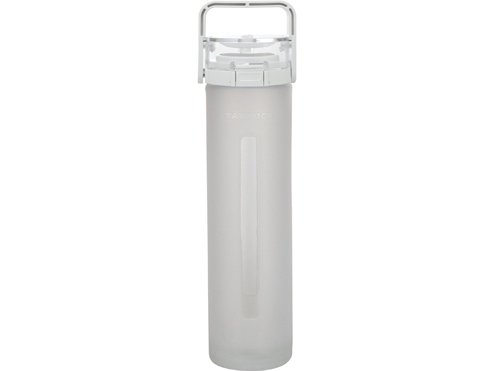 |
| I found this cool glass bottle at Starbucks a while back. It is mostly made of recycled glass, and it has a silicone cover. |
You have to be absolutely sure that the company you buy from are selling essentials oils that meet AFNOR standards, and that they sell therapeutic grade essential oils before your ingest any oils. Far too many companies cut their oils with harmful ingredients. I refer to Young Living Oils in this post, and their website have instructions on how to ingest their oils.
There are a few things to consider before you decide to add essential oils to your water:
- Only use therapeutic grade essential oils that meet the AFNOR standards, are Generally Regarded As Safe (GRAS), or certified as Food Additives (FA) by FDA. Young Living will tell you if their oil is safe to use as a supplement.
- Essential oils should always be diluted in rice milk, honey, or in at least 4 ounces of water.
- No more than 2-3 drops should be ingested at one time (during a 4-8 hour period).
- Essential oils should not be given as dietary supplement to children under the age of 6.
Lemon, (Citrus limon)
has a purifying, uplifting and revitalizing aroma. It clears the mind and sharpens the senses. It is a very pleasant and soothing oil. The main constituent is limonene, which has been studied for it's anti-cancer effects.
Lemon is a powerful antibacterial and it has been proven to kill Diphteria bacilli at a 0.2 solution. According to Jean Valnet, MD, the vaporized aroma of lemon can kill meningococcus bacteria in 15 minutes, typhoid bacilli in one hour, Staphylococcus aureus in two hours, and Pneumococcues bacteria within three hours.
In his book, The Practice of Aromatherapy: A Classic Compendium of Plant Medicines and Their Healing Properties , Valnet wrote that lemon is a tonic for supporting the nervous and sympathetic nervous system. Lemon also counteracts the acidity and makes the stomach more alkaline. I like to add lemon oil to warm water first thing in the morning. It also stimulates the action of the white blood corpuscles. It also has a tonic effect on the circulatory system. Historically lemon has been used in skin care due to its astringent effect. Lemon has an approximate ORAC of 6,619
, Valnet wrote that lemon is a tonic for supporting the nervous and sympathetic nervous system. Lemon also counteracts the acidity and makes the stomach more alkaline. I like to add lemon oil to warm water first thing in the morning. It also stimulates the action of the white blood corpuscles. It also has a tonic effect on the circulatory system. Historically lemon has been used in skin care due to its astringent effect. Lemon has an approximate ORAC of 6,619is my favorite oil to add to drinking water and I really enjoy the fresh orange flavor. It is high in d-limonene (85-90%) and therefore a powerful antioxidant. Orange has an uplifting, rich, fruity, and at the same time a very calming aroma. It is a happy aroma. Orange aids in maintaining normal cellular regeneration. Orange has been used to settle the digestive system. It is known as a cholagogue and hepatic, and as such it may be used to improve the flow of bile and improve the metabolism of fats. It is considered to be one of the best all-round oils for the digestive system. Orange has an approximate ORAC of 18,898.
is uplifting and positive. It is a very energizing and reviving scent. This is another oil rich in the powerful antioxidant d-limonene. Grapefruit has diuretic and detoxifying properties and has historically been used to treat cellulite. It has unique fat- dissolving characteristics just like many cold-pressed citrus oils. It also has anti-depressant properties. Grapefruit may also have a cleansing effect on the kidneys, the lymphatic system, and the vascular system.
Peppermint (Mentha piperita)
has a strong, sharp, minty and refreshing aroma. The aroma is very potent and concentrated, so I dip a toothpick in the peppermint bottle first and then swirl it around in the water. The antispasmodic properties of peppermint has been confirmed in clinical trials. Peppermint is one of the most effective oils of the digestive system. The German Commission E Monographs recommend peppermint oil for obstructions of the bile ducts, gall bladder inflammations and severe liver damage.
Jean Valnet MD studied peppermint's supportive effect on the liver and respiratory systems. Peppermint has an approximate ORAC of 373,455 (TE/L).
Tangerine (Citrus reticulata)
has sweet, tangy aroma that is very similar to orange. It is very calming and may help with occasional irritability. Tangerine is also high in the powerful antioxidant d-limonene. It has a tonic effect on the digestive system, and it may be used for calming the intestines. Therapeutically, tangerine has similar properties to mandarin and orange.
As mentioned, make sure the oils you use are of high quality before you ingest them, I recommend to use Young Living Essential Oils.
I recommend that you always perform a skin patch test when you try a new oil on the skin.
This post is linked to:
Fresh Bites Friday, Fight Back Friday
Wellness Wednesday
Before you leave:
I recommend that you always perform a skin patch test when you try a new oil on the skin.
Check out my safety page to make sure you are aware of any contrindications before you use essential oils. Some oils are not suitable when suffering from certain conditions. Also, Read this Before You Start Using Essential oils. Some oils should not be applied prior to sun exposure so make sure you check this list before spending time in the sun.
Not sure how to apply the oils? Visit these pages to learn how to apply the oils:
Not sure how to apply the oils? Visit these pages to learn how to apply the oils:
- Topical Application
- Inhaling Essential Oils
- Are You Diffusing the Oils Correctly?
- How to Dilute Essential Oils
- Vita Flex Technique
------------------------------------------------------------------------------------------------------------
This post is linked to:
Fresh Bites Friday, Fight Back Friday
Wellness Wednesday
3:03 PM |
Read more...


